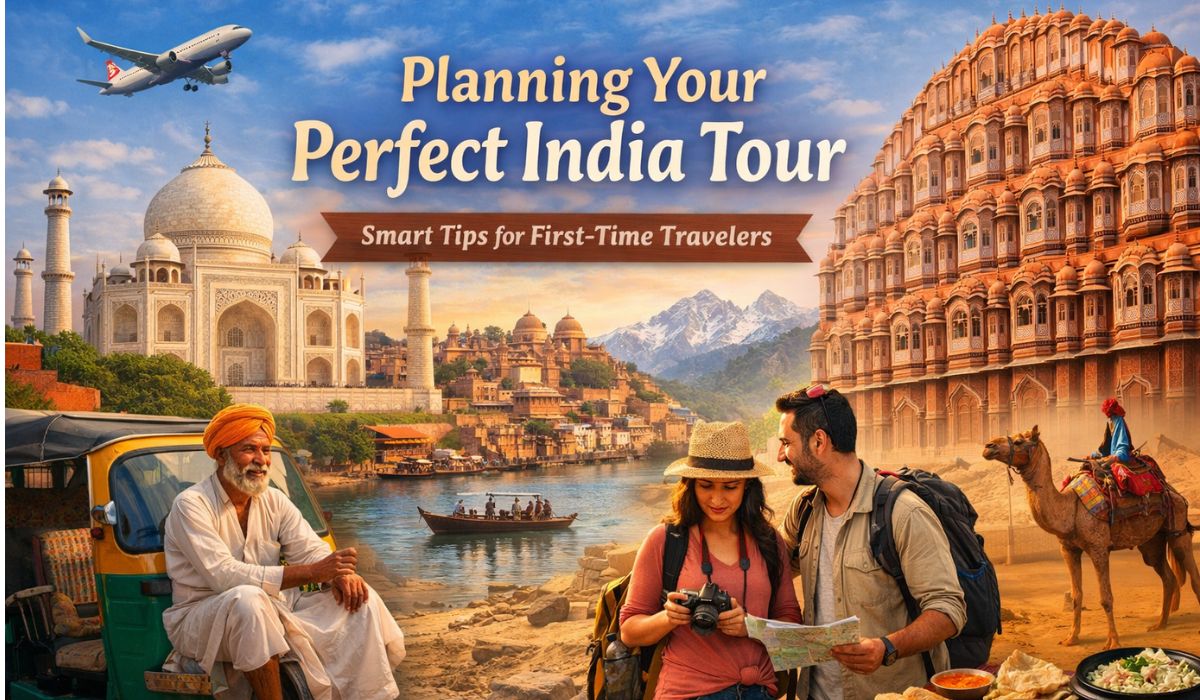
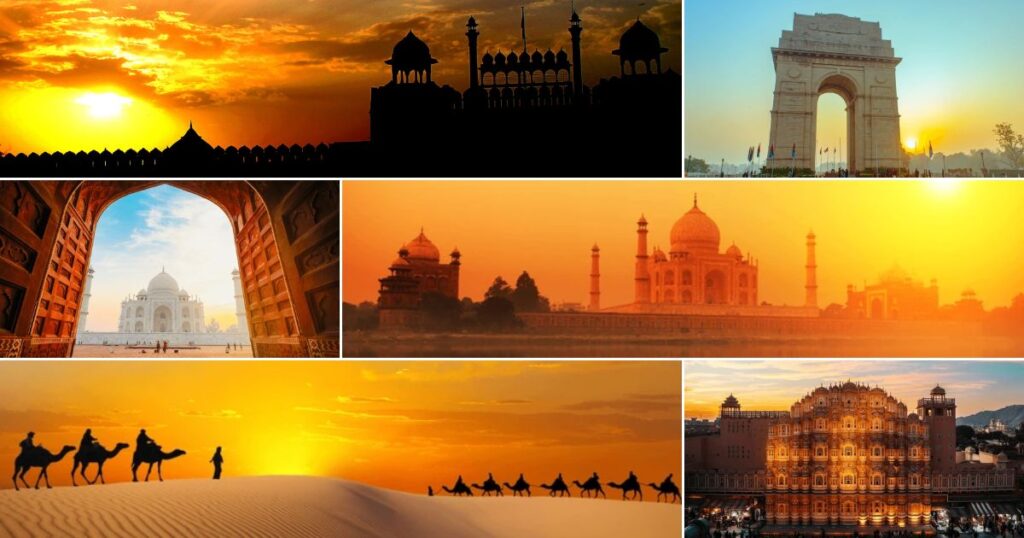
There is a moment every traveler remembers—the moment India first unfolds before their eyes. For some, it happens with the first glimpse of the Taj Mahal shimmering in the morning haze; for others, it begins in the bustling markets of Old Delhi or on a pink-hued street corner in Jaipur. Wherever the moment strikes, it almost always happens on India’s most-loved tourist circuit, a journey celebrated for decades and refined by millions of explorers.
The Golden Triangle Tour, India’s most-loved tourist circuit, is where first-time visitors discover the country’s contrasts, colors, and charisma in the most accessible, immersive way possible. Within a compact geographical triangle, it brings together Mughal grandeur, regal Rajput heritage, and cosmopolitan India—creating a seamless introduction to the nation’s heart and soul. Whether you have three days or an entire week, the Golden Triangle offers an experience that is equal parts iconic and intimate.
Why This Route Is Considered India’s Most-Loved Tourist Circuit
The Golden Triangle earned its fame not simply because it connects Delhi, Agra, and Jaipur—but because each city represents a distinct chapter of India’s history. In a short span, travelers experience shifting cultures, landscapes, cuisines, and architectural styles.
More importantly, this circuit is reliable. Well-connected highways, diverse accommodation options, knowledgeable guides, and curated tour packages have shaped it into India’s most efficient and enriching travel experience.
Across all major travel platforms and industry reports, the Golden Triangle remains India’s most booked itinerary—especially among first-time international travelers who want to capture India’s essence in the limited time they have.
A Story That Begins in Delhi – Where Old and New India Meet
Every Golden Triangle journey traditionally begins in Delhi. And for good reason—Delhi is not just a city; it is a living museum of empires. Your introduction begins the moment you step out of the airport into a city that hums with life.
In Old Delhi, rickshaws weave through narrow lanes perfumed with cardamom and kebabs. The red sandstone walls of the Mughal era rise dramatically above busy bazaars. Meanwhile, in New Delhi, wide boulevards, gardens, and colonial architecture offer a complete contrast.
Delhi sets the tone: India is old and young, traditional and contemporary, chaotic and calm—all at once.
What Travelers Love Most About Delhi
- Depth of history in every corner
- UNESCO World Heritage Sites within short distances
- Bustling markets like Chandni Chowk and Dilli Haat
- Impressive culinary diversity
- Smooth connectivity to Agra and Jaipur
The Road to Agra – A Journey Toward the World’s Greatest Monument
Leaving Delhi behind, the journey to Agra unfolds through a modern expressway that cuts travel time significantly. Most visitors reach Agra by late morning—just in time to capture the Taj Mahal when it glows warm and golden under the afternoon sun.
This is often the highlight of the trip and the moment the Golden Triangle becomes more than a route—it becomes a memory.
What Makes the Taj Mahal So Powerful
It is not merely marble; it is emotion solidified into architecture. The symmetry, the stillness, the changing hues with every sunrise and sunset—each detail feels curated to evoke a sense of awe.
Visitors often say: “You see it in photos, but you only feel it in person.”
Other Must-See Wonders in Agra
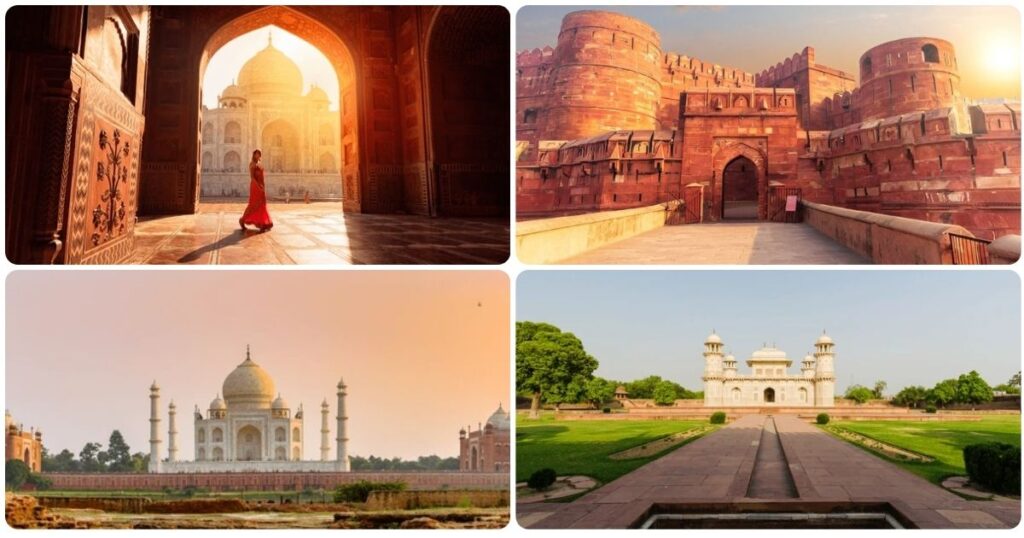
- Agra Fort, a UNESCO gem
- Mehtab Bagh for river-view sunsets
- Itimad-ud-Daulah (The Baby Taj)
- Traditional marble workshops showcasing inlay craftsmanship
Agra also serves as a gateway for short-day tours—from sunrise Taj Mahal experiences to local heritage walks that explore the city’s Mughal past.
Jaipur – The Regal Finale of India’s Most-Loved Tourist Circuit
When the road begins to turn pink—literally—you know Jaipur is near. The capital of Rajasthan greets travelers with an elegance that feels cinematic. Palaces, forts, colorful bazaars, intricate jewelry shops, and traditional cuisine come together to create a destination that feels warm and welcoming.
Why Jaipur Completes the Triangle Perfectly
While Delhi gives energy and Agra gives emotion, Jaipur gives grandeur. Its hilltop forts, royal residences, and living traditions offer a completely different look at India’s heritage.
Here, the Golden Triangle reaches its conclusion—not because it ends, but because it reaches its climax.
Top Highlights in Jaipur
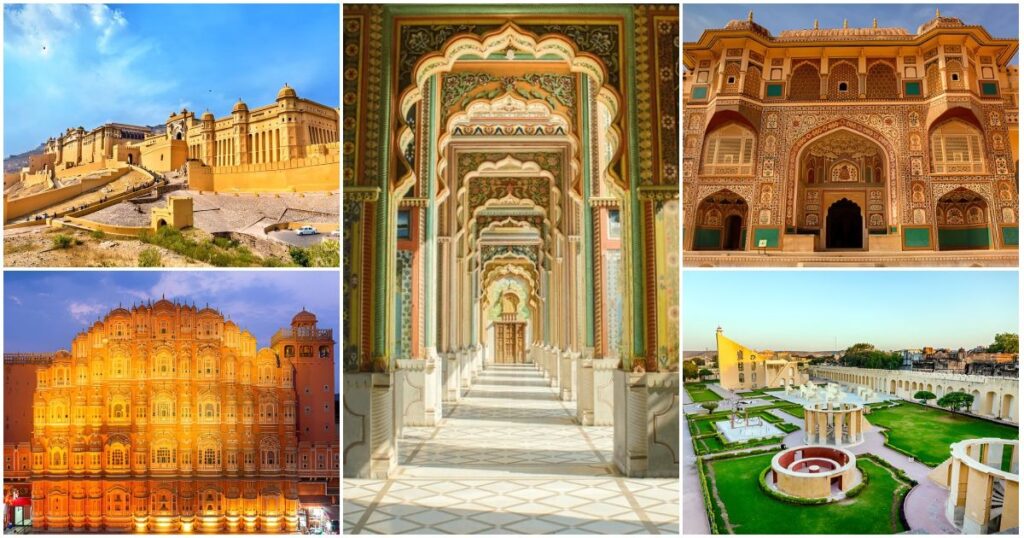
- Amber Fort, a masterpiece of Rajput architecture
- City Palace and the royal museum
- Hawa Mahal, the iconic Palace of Winds
- Jantar Mantar, an astronomical marvel
- Handicrafts and gemstone markets
Jaipur is also where travelers often extend their journeys—toward Pushkar, Udaipur, Jodhpur, or Ranthambore for wildlife safaris.
Understanding the Route: Distances & Travel Time
One reason the Golden Triangle Tour is India’s most-loved tourist circuit is its convenience. The distances are manageable and the roads are excellent.
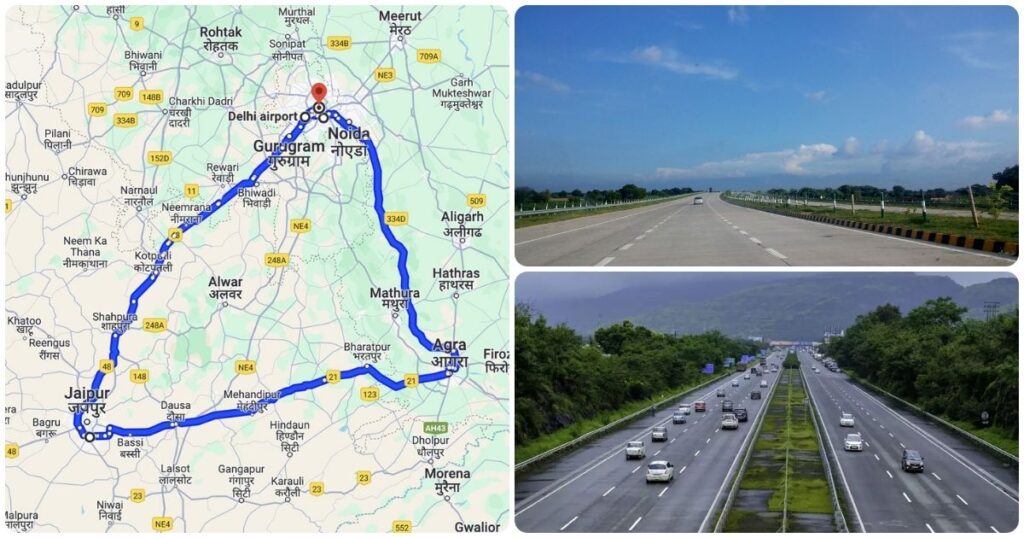
Approximate Distances
- Delhi to Agra: 233 km via Yamuna Expressway
- Agra to Jaipur: 240 km
- Jaipur to Delhi: 280 km
Travel Time
- Each leg takes about 3.5 to 5 hours depending on traffic
- Private car, luxury bus, and fast trains are widely available
- Most travelers choose a chauffeur-driven vehicle for comfort
This ease of travel allows visitors to explore India deeply without feeling rushed.
Most structured itineraries, including those by Perfect India Tour, are timed to avoid peak traffic and maximize sightseeing.
Why the Golden Triangle Works for Every Type of Traveler
For First-Time Visitors
It offers the safest, smoothest, and most comprehensive introduction to India.
For Photography Lovers
From the Taj Mahal at sunrise to Jaipur’s pastel streets—every moment feels like a painting.
For Cultural Enthusiasts
Temples, mosques, palaces, forts, and ancient observatories provide layers of history.
For Food Lovers
From Delhi’s street food to Agra’s Mughlai dishes to Jaipur’s Rajasthani thalis—each city offers a new flavor.
For Wildlife Seekers
Extensions to Ranthambore are common—especially via curated Golden Triangle with Ranthambore itineraries.
How Many Days Are Ideal for the Golden Triangle Tour?
While the classic journey is 3–5 days, many travelers prefer a longer, more immersive experience.
Ideal Duration Options
- 3 days: Quick highlights
- 4–5 days: Balanced sightseeing
- 6–7 days: Includes Ranthambore or extra cultural activities
- 8+ days: Adds Rajasthan’s extended destinations
Practical Tips for a Smooth Golden Triangle Experience
1. Start your journey early each day
Sites like the Taj Mahal and Amber Fort are best enjoyed in the early hours.
2. Hire licensed guides
They provide invaluable insights and context, especially with architectural sites.
3. Book tickets online
Most monuments allow advance online bookings, saving significant time.
4. Stay near major attractions
It minimizes travel fatigue and maximizes exploration time.
5. Keep flexible time for markets
Shopping in Jaipur and Delhi is an experience, not an errand.
What Makes This the Most-Loved Tourist Circuit in India?
The answer lies in balance.
In just a few days, the Golden Triangle gives travelers everything they expect from India—and surprises them with much more. Heritage, culture, landscape, craft, cuisine, and hospitality all converge seamlessly.
It is India at its most accessible and its most expressive.
That is why generations of travelers, from backpackers to luxury explorers, choose this circuit as their introduction to the country.
FAQs – Golden Triangle Tour
1. Why is the Golden Triangle considered India’s most-loved tourist circuit?
Because it offers India’s most balanced and accessible introduction—covering Delhi, Agra, and Jaipur with seamless connectivity.
2. How many days do I need for the Golden Triangle Tour?
A minimum of 3 days, though 4–6 days allow a deeper experience.
3. Is the Golden Triangle Tour suitable for first-time visitors?
Yes, it is the most recommended route for first-time travelers due to its strong infrastructure and cultural variety.
4. When is the best time to travel the Golden Triangle?
October to March offers pleasant weather and clearer skies.
5. What is the distance between Delhi, Agra, and Jaipur?
Delhi–Agra: 233 km, Agra–Jaipur: 240 km, Jaipur–Delhi: 280 km.
6. Can I include Ranthambore in my Golden Triangle Tour?
Yes, many travelers add Ranthambore for tiger safaris between Agra and Jaipur.
7. Is sunrise at the Taj Mahal worth it?
Absolutely—sunrise offers the best lighting, fewer crowds, and a magical ambience.
8. What is the best way to travel around the Golden Triangle?
A private chauffeur-driven car offers maximum flexibility and comfort.
9. Is Jaipur safe for tourists?
Yes, Jaipur is one of India’s most tourist-friendly cities with strong hospitality services.
10. What type of accommodation is available along the route?
Everything from boutique stays to luxury hotels and heritage palaces.
Conclusion – Your Perfect Introduction to India Begins Here
The Golden Triangle is more than a route—it is the ideal first chapter for anyone discovering India. It balances the ancient and the modern, the emotional and the regal, the iconic and the intimate. If you want an experience that captures the essence of India in the most captivating way, this circuit is where your journey should begin.
For personalized itineraries, expert-guided tours, and seamless travel planning, explore our curated Golden Triangle experiences and step into India with confidence.